Dr Emmanuel
  • About
  • Stomach and Oesophagus Centre
  • Competences
    • Oesophageal cancer
    • Stomach cancer
    • Liver cancer
    • Pancreatic cancer
    • Colorectal cancer (colon)
    • Bowel cancer (rectum/rectum)
    • Metastasis surgery
    • Peritoneal carcinomatosis (HIPEC/PIPAC)
    • Adrenal tumours
  • News
  • DE
  • EN
  • Contact
  • About
  • Stomach and Oesophagus Centre
  • Competences
    • Oesophageal cancer
    • Stomach cancer
    • Liver cancer
    • Pancreatic cancer
    • Colorectal cancer (colon)
    • Bowel cancer (rectum/rectum)
    • Metastasis surgery
    • Peritoneal carcinomatosis (HIPEC/PIPAC)
    • Adrenal tumours
  • News
  • Language
    • DE
    • EN
  • Contact
Header Pancreatic Greetings -

Pancreatic cancer

The pancreas is the metabolic and digestive gland of the human body and a very sensitive organ. Besides unknown causes and genetic factors, chronic pancreatitis or many different cysts can lead to cancer in the pancreas. The worst and most aggressive form, pancreatic carcinoma, can also develop directly in the pancreas - usually unnoticed and without any precursors.
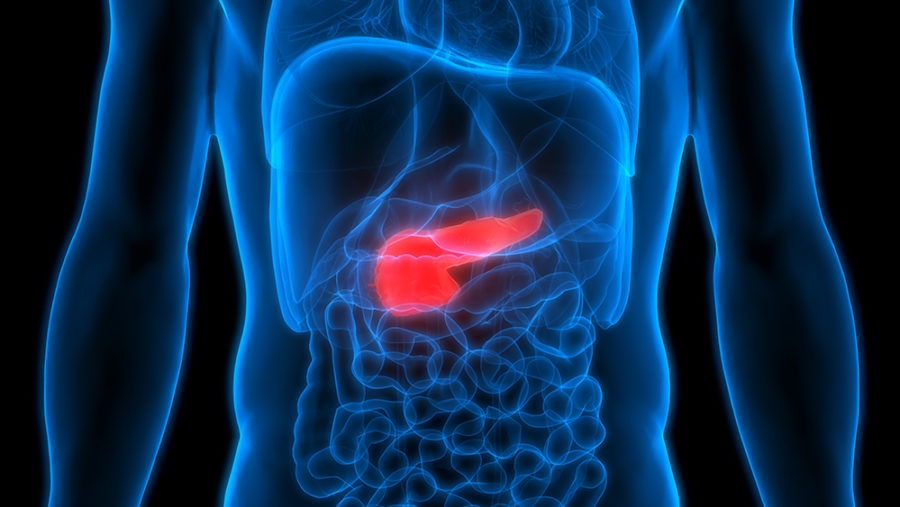
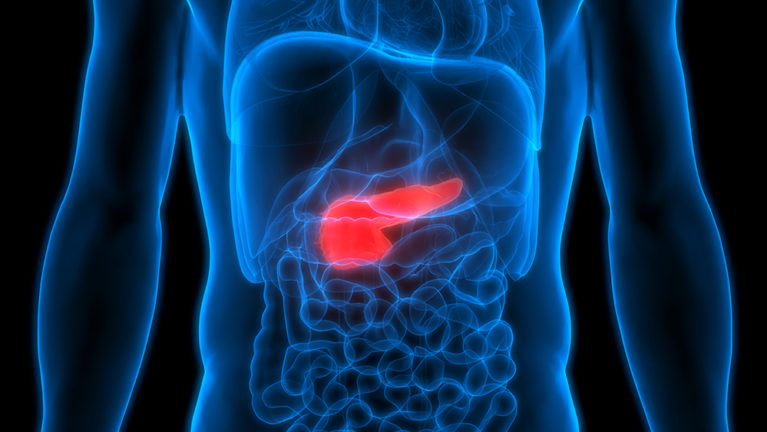
Pancreas
Pancreas

Symptoms of pancreatic cancer

Pancreatic cancer initially triggers hardly any symptoms or only very late. If symptoms of pancreatic cancer do appear, they are painless jaundice (icterus), weight loss, night sweats and girdle-shaped upper abdominal pain.

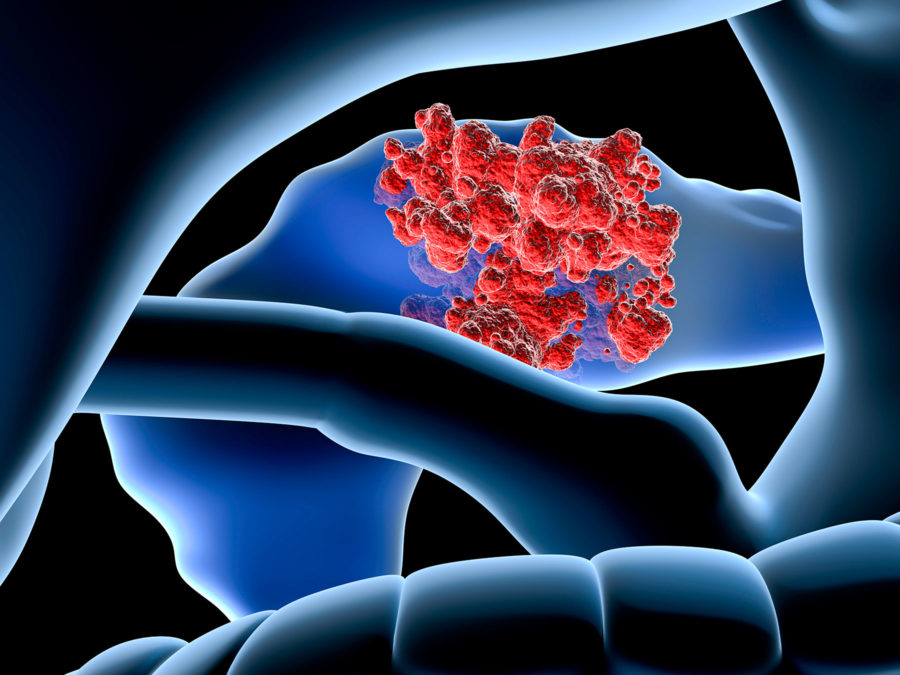
Illustration of a tumour in the pancreas

Diagnostics

In addition to high-resolution ultrasound, spiral computed tomography and thin-slice magnetic resonance imaging are important pillars in the diagnosis of pancreatic cancer.

Endosonography is a new milestone in diagnostics. Here, at the University Department of Surgery in Salzburg, we perform an ultrasound of the pancreas through the stomach, similar to a gastroscopy, using a high-tech mini-ultrasound probe. Since the stomach is directly adjacent to the pancreas, exact findings about the type of change can be made here.

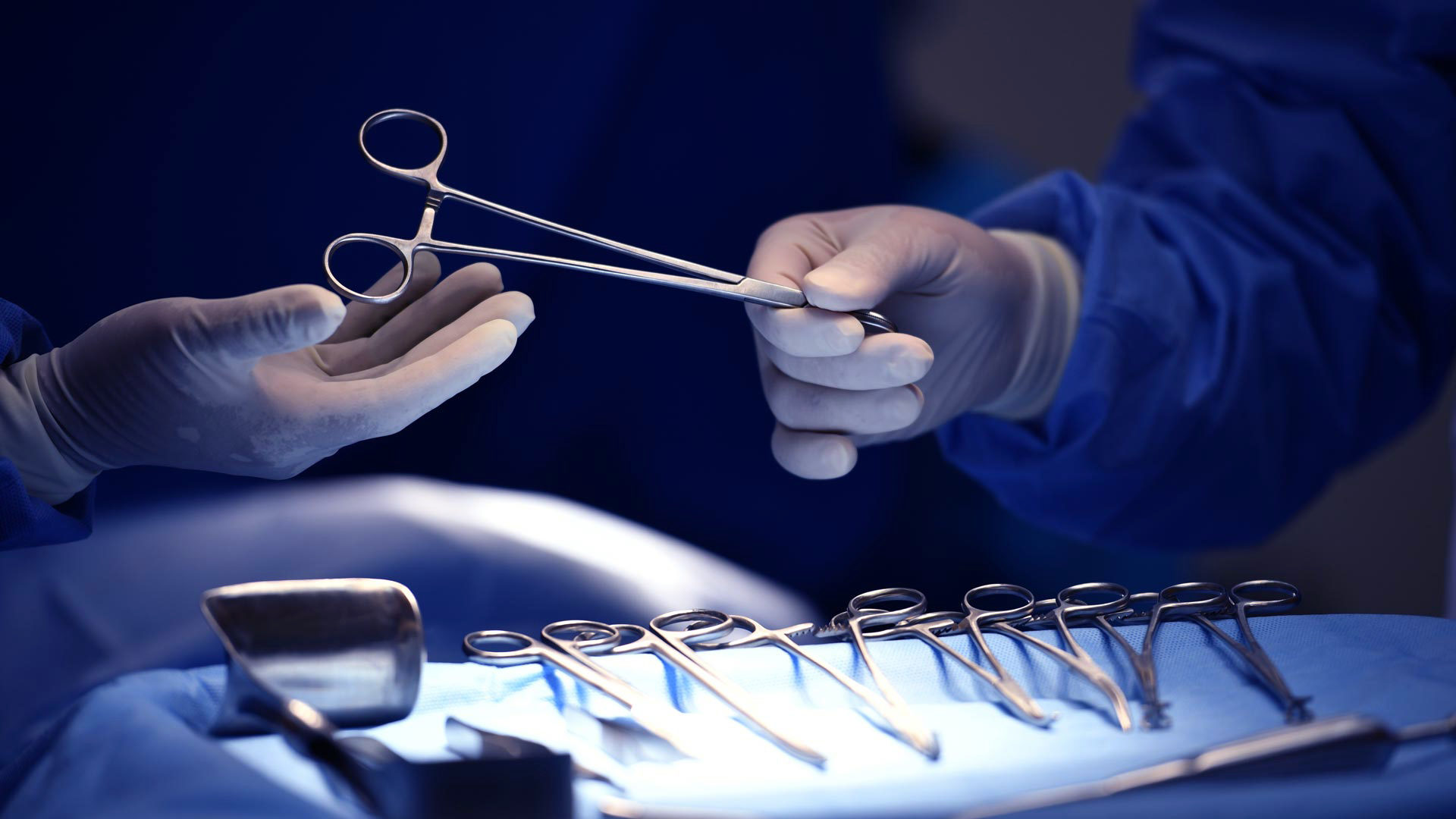
Surgical removal of a carcinoma in the pancreas

Treatment of pancreatic cancer

In the treatment of pancreatic cancer, in accordance with worldwide standards, an operation is performed in case of doubt and the affected area is removed. However, this only makes sense if the tumour has not yet formed metastases in neighbouring organs. Whenever possible, minimally invasive and robot-assisted procedures are used to perform the operation as gently as possible.

Supplementary therapies

As a high-tech procedure, we will be using an innovative treatment method at the University Department of Surgery Salzburg - based on my positive experiences: the so-called NanoKnife, also called Irreversible Electropolation (IRE).

NanoKnife / Irreversible Electroporation (IRE)

With the help of electrical impulses that are up to several thousand volts strong, the NanoKnife destroys the affected tumour tissue. In contrast to other methods, the surrounding healthy tissue will not be damaged. Even tumour tissue that is difficult to reach can be treated with the NanoKnife.

Arrange appointment

Dr Emmanuel

Contact

Prof. Dr Klaus EMMANUEL, F.A.C.S.

Head of the Department of General, Visceral and Thoracic Surgery at Salzburg University Hospital, Paracelsus Medical Private University

Johann-Wolf-Strasse 15
5020 Salzburg

+43 (0)660 - 8319567
(Mon-Fri 08:00 - 11:00 a.m.
Mon, Thu from 16:30 - 18:00)
E-mail: office@salzburg-chirurgie.com

Legal

  • Data protection
  • Imprint
  • Contact

Ordination

Please call for appointments.
Private consultant, no health insurance funds.

Plan route

  • DE