Dr Emmanuel
  • About
  • Stomach and Oesophagus Centre
  • Competences
    • Oesophageal cancer
    • Stomach cancer
    • Liver cancer
    • Pancreatic cancer
    • Colorectal cancer (colon)
    • Bowel cancer (rectum/rectum)
    • Metastasis surgery
    • Peritoneal carcinomatosis (HIPEC/PIPAC)
    • Adrenal tumours
  • News
  • DE
  • EN
  • Contact
  • About
  • Stomach and Oesophagus Centre
  • Competences
    • Oesophageal cancer
    • Stomach cancer
    • Liver cancer
    • Pancreatic cancer
    • Colorectal cancer (colon)
    • Bowel cancer (rectum/rectum)
    • Metastasis surgery
    • Peritoneal carcinomatosis (HIPEC/PIPAC)
    • Adrenal tumours
  • News
  • Language
    • DE
    • EN
  • Contact
3D illustration of the human digestive tract -

Bowel cancer (rectum/rectum)

Colon cancer (carcinoma) is one of the most common tumour diseases. A distinction is made between cancer of the large intestine (colon carcinoma) and rectum (rectal carcinoma).
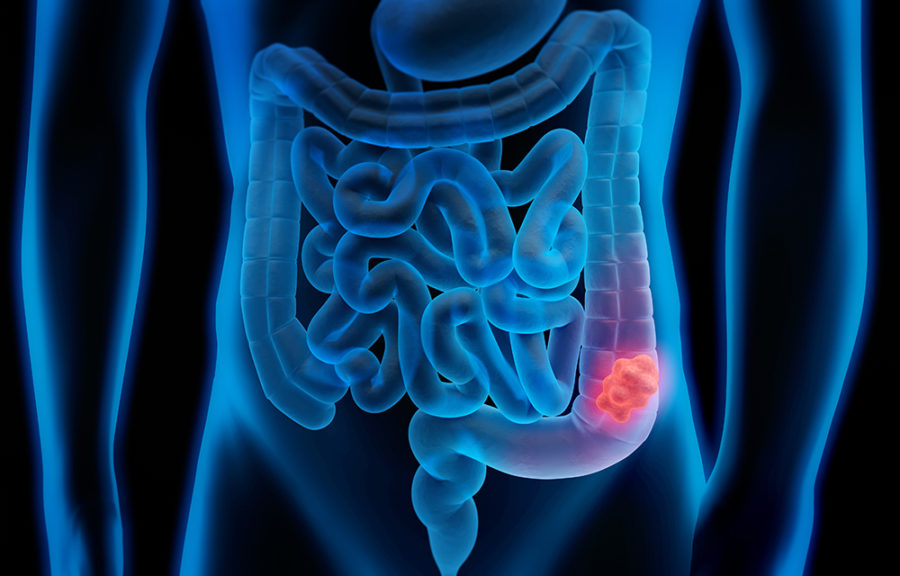
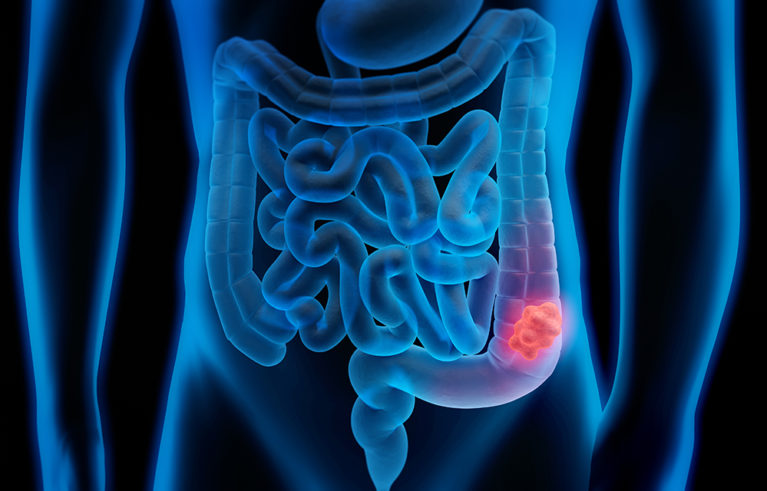
Tumour in the rectum

Colorectal cancer symptoms

Any change in stool habits, such as diarrhoea alternating with constipation, is an alarm signal and must be clarified immediately. A classic symptom of bowel cancer is visible or hidden blood in the stool. The latter can be identified by a so-called haemoccult test . Other non-specific symptoms are bloating, fatigue, weight loss, night sweats, fever and anaemia (low haemoglobin).

Tumour in the rectum

Diagnostics

At the University Department of Surgery Salzburg, we ensure a painless diagnosis of rectal cancer with the help of "gentle colonoscopy": premedication (short anaesthesia) means that patients hardly feel the colonoscopy.

In the case of tumours affecting the rectum, magnetic resonance imaging and endoluminal ultrasound will be performed in our clinic. Special tumour markers in the blood are used to monitor the progress and determine the success of the therapy.

The elective doctor is there for his patient.

Treatment of colorectal cancer

In the case of carcinomas affecting the rectum, depending on the size of the tumour, pre-treatment with a combination of radiation and chemotherapy followed by surgery leads to optimal therapeutic success.

For all surgical procedures, we use the minimally invasive method that is gentle on the tissue. This means less wound pain, smaller scars and faster recovery. We will try to avoid a side exit (anus preter = stoma) whenever possible.

Arrange appointment

Dr Emmanuel

Contact

Prof. Dr Klaus EMMANUEL, F.A.C.S.

Head of the Department of General, Visceral and Thoracic Surgery at Salzburg University Hospital, Paracelsus Medical Private University

Johann-Wolf-Strasse 15
5020 Salzburg

+43 (0)660 - 8319567
(Mon-Fri 08:00 - 11:00 a.m.
Mon, Thu from 16:30 - 18:00)
E-mail: office@salzburg-chirurgie.com

Legal

  • Data protection
  • Imprint
  • Contact

Ordination

Please call for appointments.
Private consultant, no health insurance funds.

Plan route

  • DE