Dr Emmanuel
  • About
  • Stomach and Oesophagus Centre
  • Competences
    • Oesophageal cancer
    • Stomach cancer
    • Liver cancer
    • Pancreatic cancer
    • Colorectal cancer (colon)
    • Bowel cancer (rectum/rectum)
    • Metastasis surgery
    • Peritoneal carcinomatosis (HIPEC/PIPAC)
    • Adrenal tumours
  • News
  • DE
  • EN
  • Contact
  • About
  • Stomach and Oesophagus Centre
  • Competences
    • Oesophageal cancer
    • Stomach cancer
    • Liver cancer
    • Pancreatic cancer
    • Colorectal cancer (colon)
    • Bowel cancer (rectum/rectum)
    • Metastasis surgery
    • Peritoneal carcinomatosis (HIPEC/PIPAC)
    • Adrenal tumours
  • News
  • Language
    • DE
    • EN
  • Contact
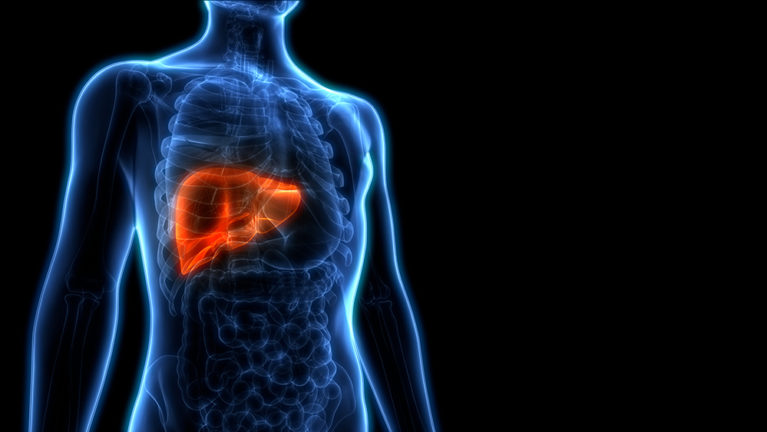
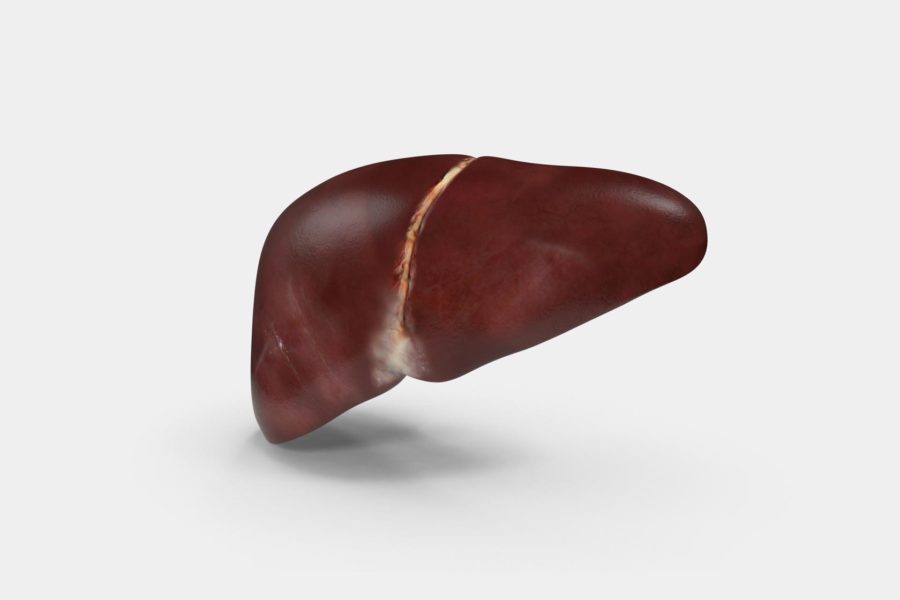
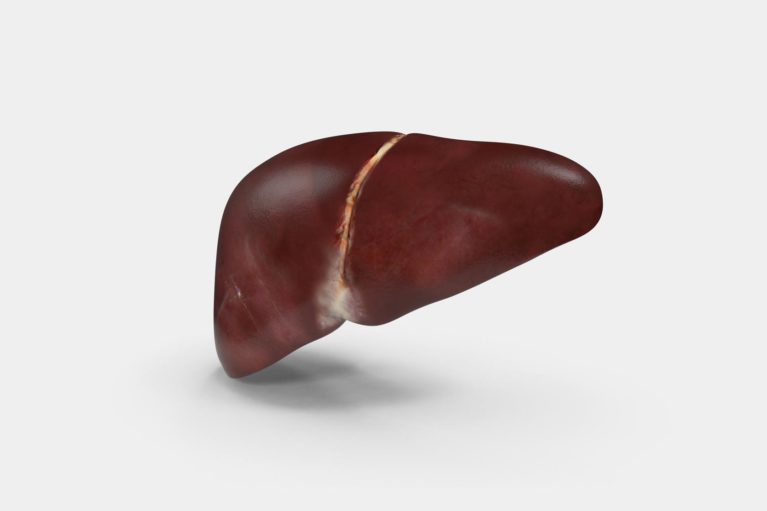
3D illustration of a liver -

Liver cancer

Types of liver cancer

When it comes to liver cancer, different types of tumours can be distinguished:
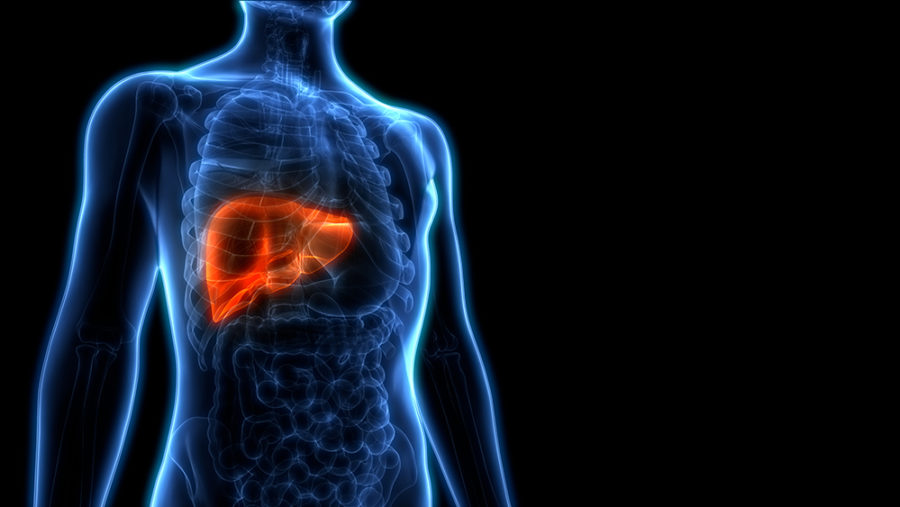
Primary liver cancer

Primary liver cancer, such as liver carcinoma or bile duct carcinoma, develops directly in the liver.

Liver metastases

Liver metastases are metastases of other tumours. Most of them are metastases of colon and rectal cancer, of the lung and the mammary gland.

Illustration of a liver tumour

Liver cancer symptoms

The symptoms of liver cancer are often difficult to recognise. These include a pressure pain in the right upper abdomen and a general feeling of weakness, combined with weight loss and possibly a yellow discolouration of the skin and eyes. In advanced liver diseases, such as cirrhosis of the liver, small, spider-like birthmarks also appear on the skin.

Liver
Liver

Diagnostics

In the beginning, there is usually a high-resolution ultrasound, if necessary also a contrast medium ultrasound, in order to detect suspicious foci in the liver. If it is unclear what type of liver cancer is involved, a liver puncture can provide information in individual cases. In addition, special blood values can be used to determine which liver cancer diagnosis should be assumed.

New high-tech imaging techniques, such as computer tomography, thin-slice computer tom ography and high-resolution magnetic resonance imaging, are now key components of diagnosis.

Supplementary therapies

In the case of extensive infestation, a combination of surgical intervention and additional therapies is often necessary. The following therapies are also available if removal is not possible:

Radio Frequency Ablation / RFA / Microwave

In so-called radiofrequency ablation or microwave ablation, the tumour is contained by the local destruction of cells through extreme heat.

NanoKnife/Irreversible Electroporation (IRE)

At the University Department of Surgery in Salzburg, we will now use an absolutely innovative treatment method for the first time under my leadership - the NanoKnife, also called Irreversible Electroporation (IRE). This involves destroying the tumour tissue with short electrical impulses of several thousand volts.

The advantage: Damages to the surrounding healthy tissue can be prevented and tumours next to very sensitive tissue can also be reached.

Embolisation procedure

We also use the embolisation procedure, in which the blood vessels that supply the tumour with nutrients are closed off by destructive substances so that it dies. Chemoembolisation and SIRT (Selective Internal Radio Therapy) are available to us for this purpose. SIRT is a nuclear medicine therapy based on the introduction of small radioactive beads into the tumour tissue of the liver. For this purpose, several million of these small beads are administered via a small catheter that has previously been placed in the liver artery from the groin.

Treatment of cancer

Liver cancer treatment

If possible, we perform liver operations minimally invasively. This is less stressful and - if necessary - the subsequent chemotherapy can be started sooner than usual. In addition, only small scars remain and the patient can leave the hospital after a few days.

Arrange appointment

Dr Emmanuel

Contact

Prof. Dr Klaus EMMANUEL, F.A.C.S.

Head of the Department of General, Visceral and Thoracic Surgery at Salzburg University Hospital, Paracelsus Medical Private University

Johann-Wolf-Strasse 15
5020 Salzburg

+43 (0)660 - 8319567
(Mon-Fri 08:00 - 11:00 a.m.
Mon, Thu from 16:30 - 18:00)
E-mail: office@salzburg-chirurgie.com

Legal

  • Data protection
  • Imprint
  • Contact

Ordination

Please call for appointments.
Private consultant, no health insurance funds.

Plan route

  • DE