

Stomach cancer
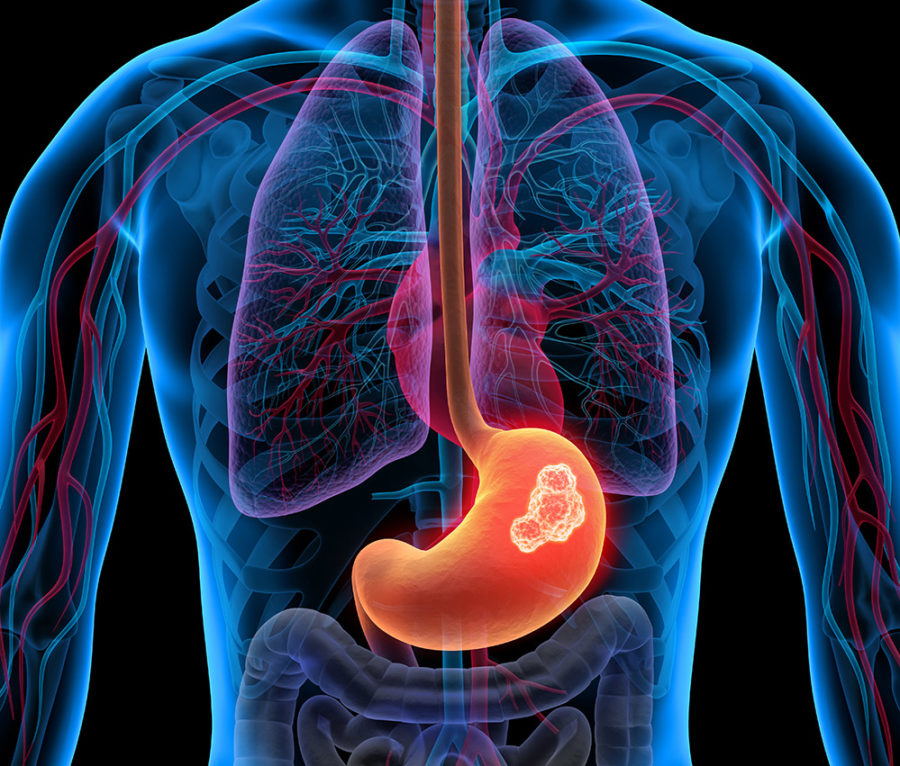
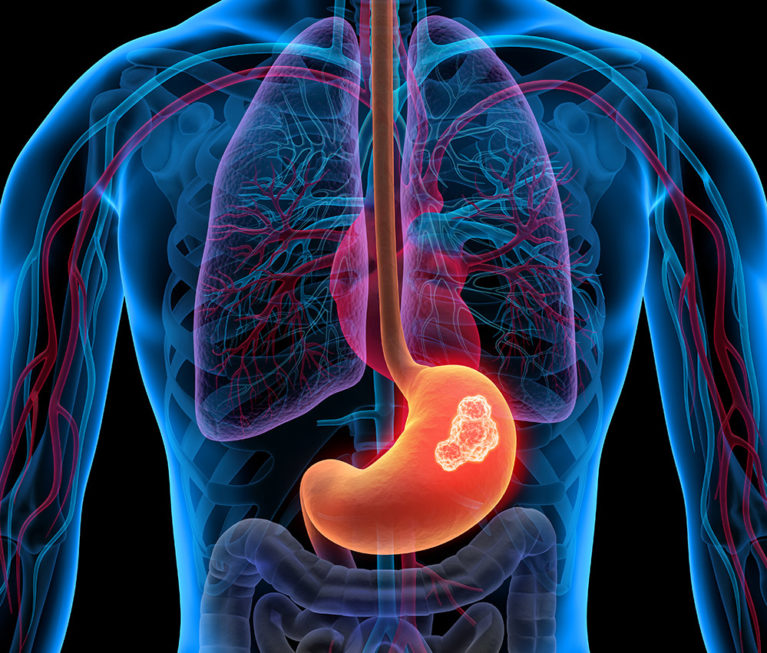
The stomach is a tubular to pouch-shaped hollow organ located in the upper abdomen, just below the diaphragm. The oesophagus opens into it, from which it takes in food, digests it to a certain degree and passes it on to the duodenum .
Due to the complex anatomy, the treatment of stomach diseases is only reserved for stomach specialists and specialist centres , as it requires an interdisciplinary team of experts and therapy procedures at the cutting edge of medicine. The treatment concept should be individually tailored to the patients - to their life situation, tumour biology and personal wishes. You can expect all of this in my care.
Types of stomach cancer
Stomach cancer (gastric carcinoma) is a malignant disease of the upper digestive tract. Stomach specialists distinguish two types of malignant cancer:
Risk factors
Stomach cancer is favoured by various risk factors:
These include primarily alcohol and nicotine, as well as the consumption of salted (cured) and smoked foods.
Especially after the age of 50, patients should not ignore the occurrence of stomach complaints and contact stomach specialists for further clarification and, if necessary, therapy.

Treatment of stomach cancer
If stomach cancer is diagnosed, the extent is decisive for treatment.
If there are no metastases in other organs, surgery - the so-called (sub-)total gastric resection - is the method of choice. Minimally invasive or robot-assisted procedures are usually used. We pay special attention to the reconstruction of the stomach to ensure a particularly good quality of life after the operation.
Above a certain size, it is now standard worldwide to perform chemotherapy or radiochemotherapy (radiation and chemotherapy) before and after surgery.
Patients diagnosed with early gastric cancer can undergo a gentle endoscopic mucosal resection (EMR). In this procedure, small, superficial tumours are removed endoscopically and the stomach is preserved.
Life after the operation
Generally, no special rehabilitation is necessary after the hospital stay.
We recommend that you have a nutritional consultation with us at the hospital. In principle, the consumption of all food and drinks in somewhat smaller portions is possible again.
After the operation, you will receive an individual aftercare pass from us, in which a regular check of the healing success (tumour aftercare) is carried out.